ourse Summary: General Arable Crop Production
General Arable Crop Production is a course that focuses on the principles and practices involved in the cultivation of field crops grown on a large scale for food, feed, fiber, and industrial use. The course equips learners with knowledge and practical skills required for successful crop production and farm management.
1. Introduction to Arable Farming
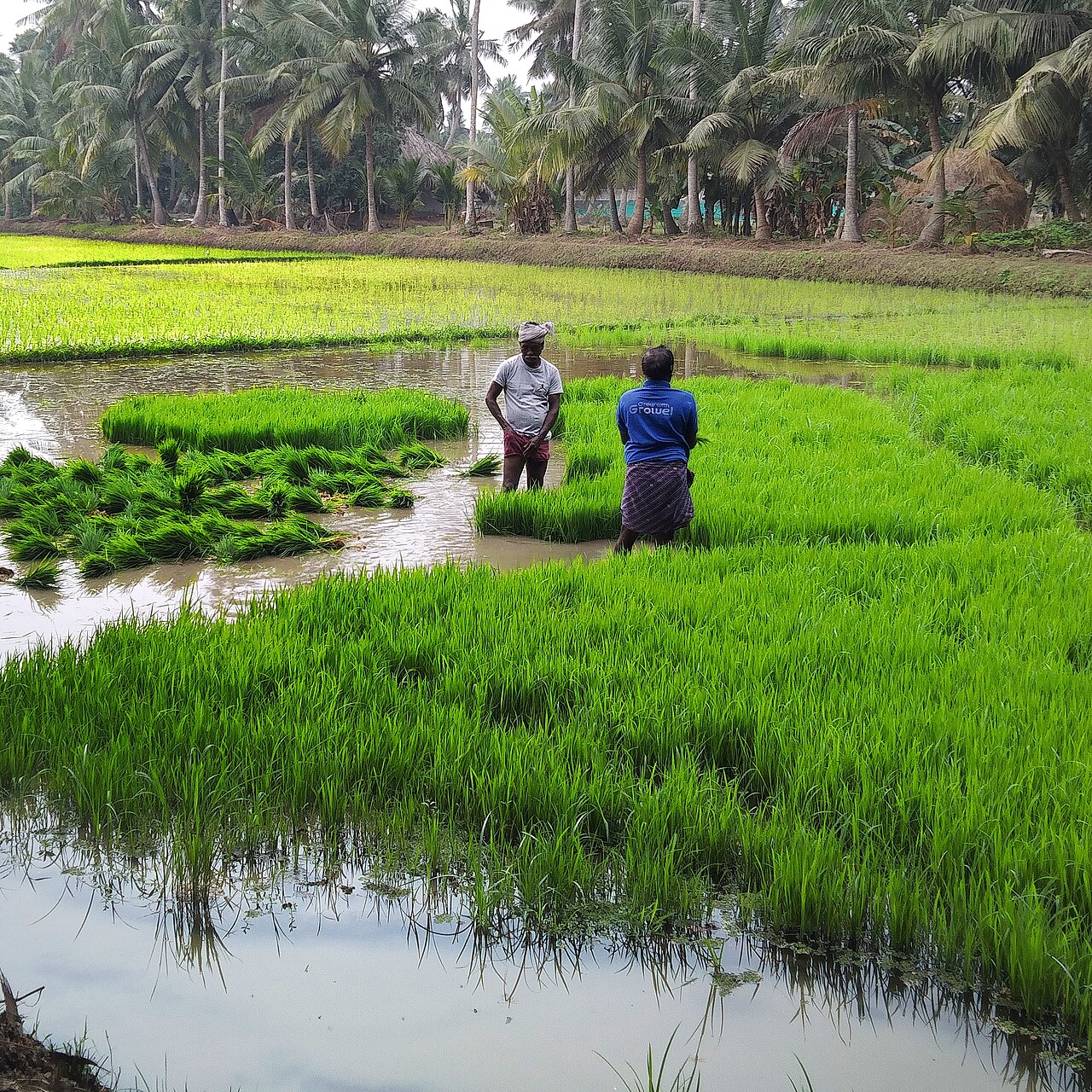
The course introduces arable farming as the cultivation of crops such as cereals, legumes, roots, tubers, and oil crops. It highlights the importance of arable farming in food security, income generation, and national economic development.
2. Crop Classification
Learners study different types of arable crops, including:
-
Cereals (e.g., maize, wheat, rice)
-
Legumes (e.g., beans, peas, groundnuts)
-
Root and tuber crops (e.g., potatoes, cassava)
-
Oil crops (e.g., sunflower, soybean)
-
Fibre crops (e.g., cotton)
3. Soil Management
The course covers soil types, soil structure, soil fertility, and methods of improving soil productivity. Topics include:
-
Land preparation
-
Tillage practices
-
Soil testing
-
Fertilizer and manure application
-
Soil conservation methods
4. Crop Production Practices
Students learn the step-by-step production process:
-
Seed selection and treatment
-
Planting methods and spacing
-
Irrigation and water management
-
Weed control
-
Pest and disease management
-
Crop rotation and intercropping
5. Farm Tools and Equipment
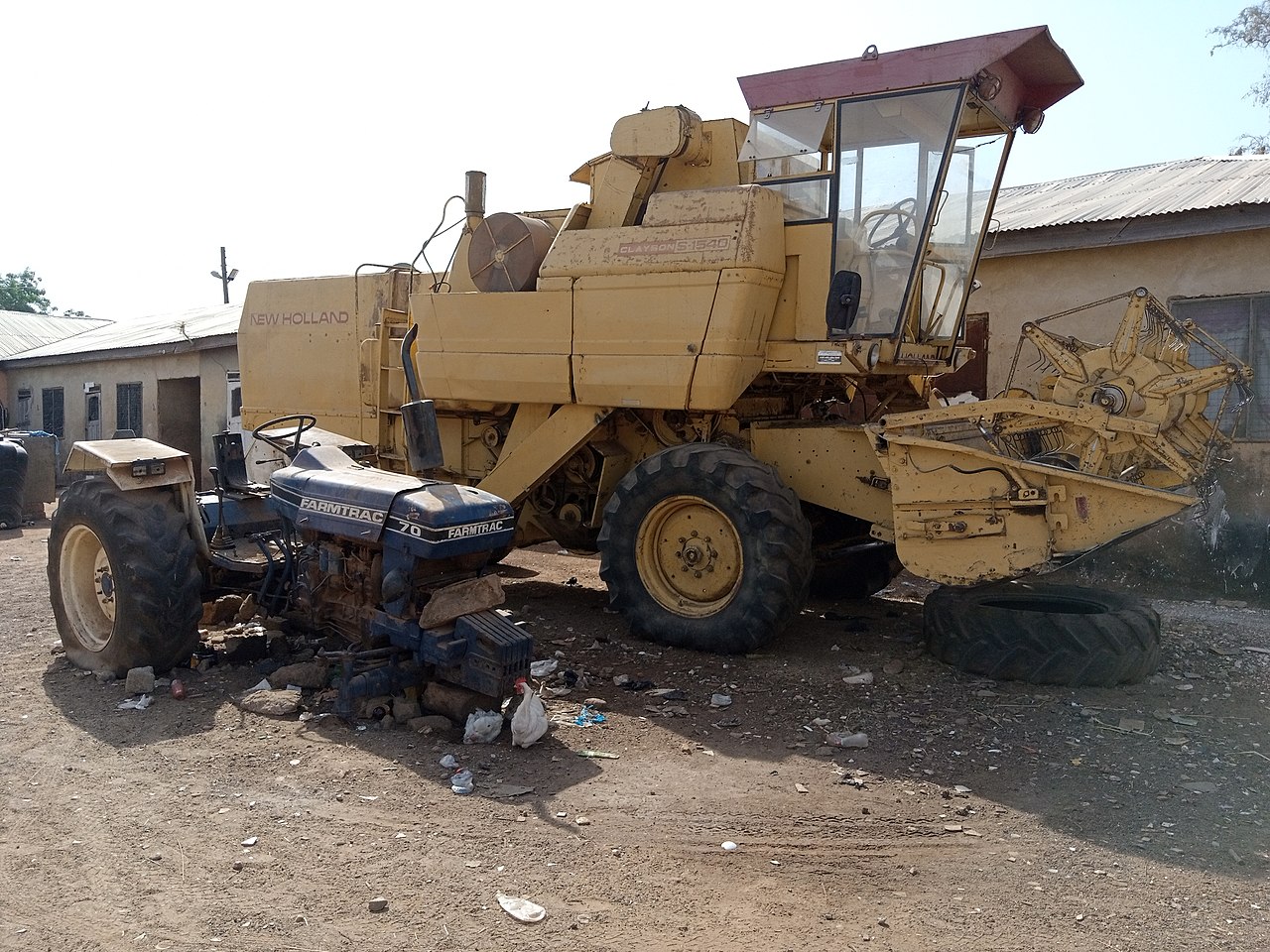
The course introduces both simple hand tools and modern farm machinery used in land preparation, planting, spraying, and harvesting.
6. Harvesting and Post-Harvest Handling
Learners understand proper harvesting techniques, storage methods, grading, and marketing of crops to reduce post-harvest losses.
7. Farm Management and Record Keeping
The course emphasizes farm planning, budgeting, cost analysis, and record keeping to ensure profitable crop production.
8. Environmental and Sustainable Practices
Students explore sustainable farming practices such as conservation agriculture, integrated pest management, and climate-smart agriculture.
Conclusion
General Arable Crop Production provides foundational knowledge and practical skills necessary for efficient crop production. It prepares learners for careers in farming, agribusiness, agricultural extension, and further studies in agriculture.
If you want, I can also provide:
-
A shorter summary (for exam revision)
-
Expanded notes for each topic
-
Objectives and learning outcomes
-
A scheme of work format
- Teacher: joan jepchumba